 Verified Profile!
 Donate
Sponsored

@IPBrigade
IP Brigade delivers expert patent research, drawings, and IP analytics worldwide, helping inventors and law firms protect, manage, and monetize their intellectual property with precision, speed, and tailored solutions.
12 Posts
0 Photos
0 Videos
-
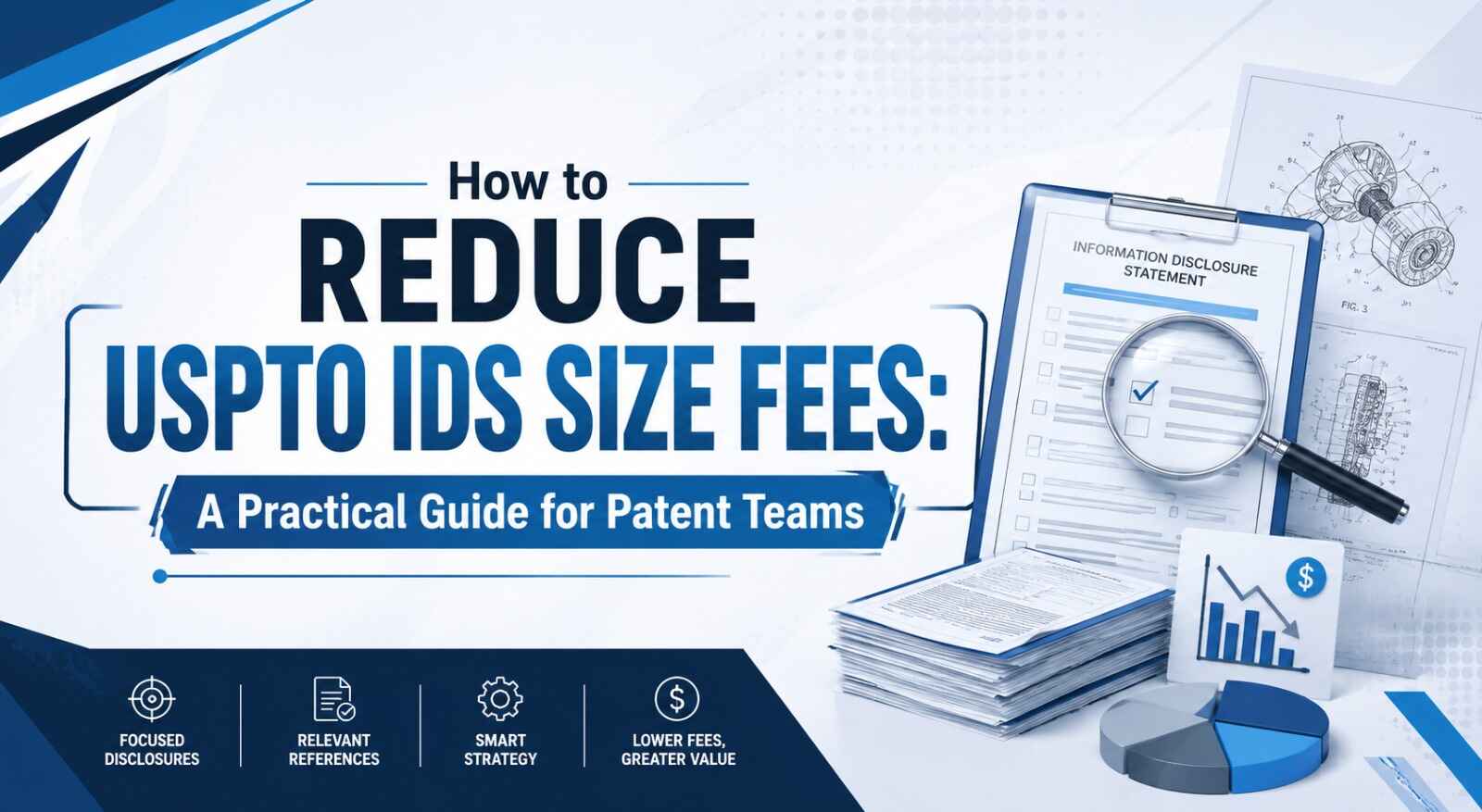
A Practical Guide to Reducing USPTO IDS Size Fees
Understanding how to reduce USPTO IDS size fees can help patent teams manage prosecution costs more effectively. This guide covers practical approaches to reference organization, document preparation, submission review, and fee management. With a more efficient IDS workflow, patent professionals can reduce avoidable expenses, improve filing accuracy, save valuable time, and handle Information Disclosure Statements with greater confidence.
More Info: https://ipbrigade.com/how-to-reduce-uspto-ids-size-fees-a-practical-guide/A Practical Guide to Reducing USPTO IDS Size Fees Understanding how to reduce USPTO IDS size fees can help patent teams manage prosecution costs more effectively. This guide covers practical approaches to reference organization, document preparation, submission review, and fee management. With a more efficient IDS workflow, patent professionals can reduce avoidable expenses, improve filing accuracy, save valuable time, and handle Information Disclosure Statements with greater confidence. More Info: https://ipbrigade.com/how-to-reduce-uspto-ids-size-fees-a-practical-guide/0 Comments ·0 Shares ·60 Views ·0 Reviews -
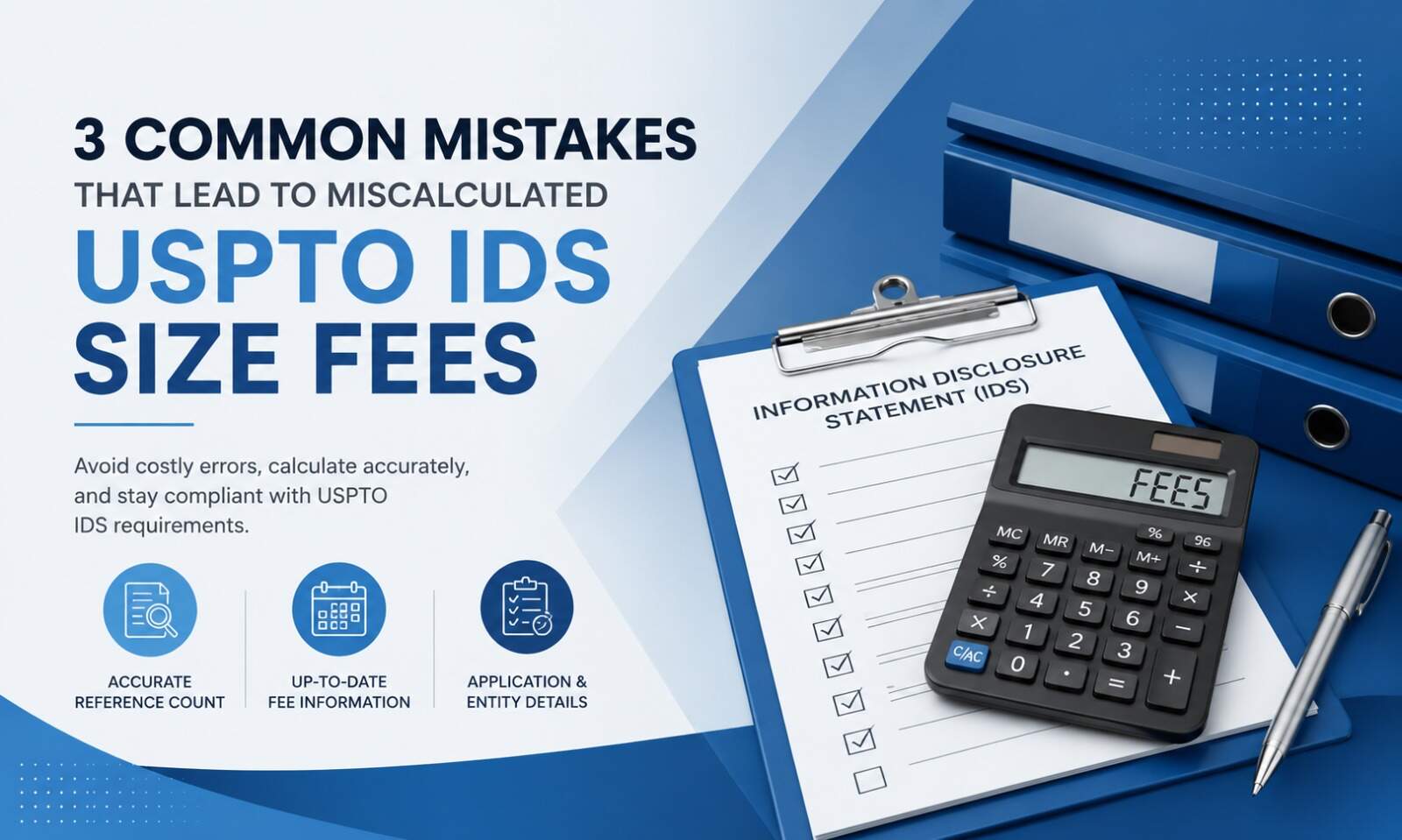
USPTO IDS Size Fees: Common Mistakes Patent Teams Should Avoid
Miscalculating USPTO IDS Size Fees can create unnecessary costs and filing complications. This guide explains three Common Mistakes patent teams often make, including inaccurate reference counts, outdated fee information, and overlooked application details. Discover simple review strategies to improve IDS preparation, maintain accuracy, and support a smoother, more reliable patent filing process.
More Info: https://ipbrigade.com/3-common-mistakes/USPTO IDS Size Fees: Common Mistakes Patent Teams Should Avoid Miscalculating USPTO IDS Size Fees can create unnecessary costs and filing complications. This guide explains three Common Mistakes patent teams often make, including inaccurate reference counts, outdated fee information, and overlooked application details. Discover simple review strategies to improve IDS preparation, maintain accuracy, and support a smoother, more reliable patent filing process. More Info: https://ipbrigade.com/3-common-mistakes/0 Comments ·0 Shares ·85 Views ·0 Reviews -
Manage an International Trademark Portfolio with Confidence
Expanding your business globally requires more than strong branding—it demands strategic trademark protection. Learn how to build and manage an International Trademark Portfolio, avoid common legal risks, stay compliant with global trademark regulations, and protect your brand across multiple jurisdictions. Discover practical management strategies and see how IP Brigade helps businesses safeguard their intellectual property while supporting long-term international growth.
More Info: https://ipbrigade.com/international-trademark-portfolio/Manage an International Trademark Portfolio with Confidence Expanding your business globally requires more than strong branding—it demands strategic trademark protection. Learn how to build and manage an International Trademark Portfolio, avoid common legal risks, stay compliant with global trademark regulations, and protect your brand across multiple jurisdictions. Discover practical management strategies and see how IP Brigade helps businesses safeguard their intellectual property while supporting long-term international growth. More Info: https://ipbrigade.com/international-trademark-portfolio/0 Comments ·0 Shares ·87 Views ·0 Reviews -
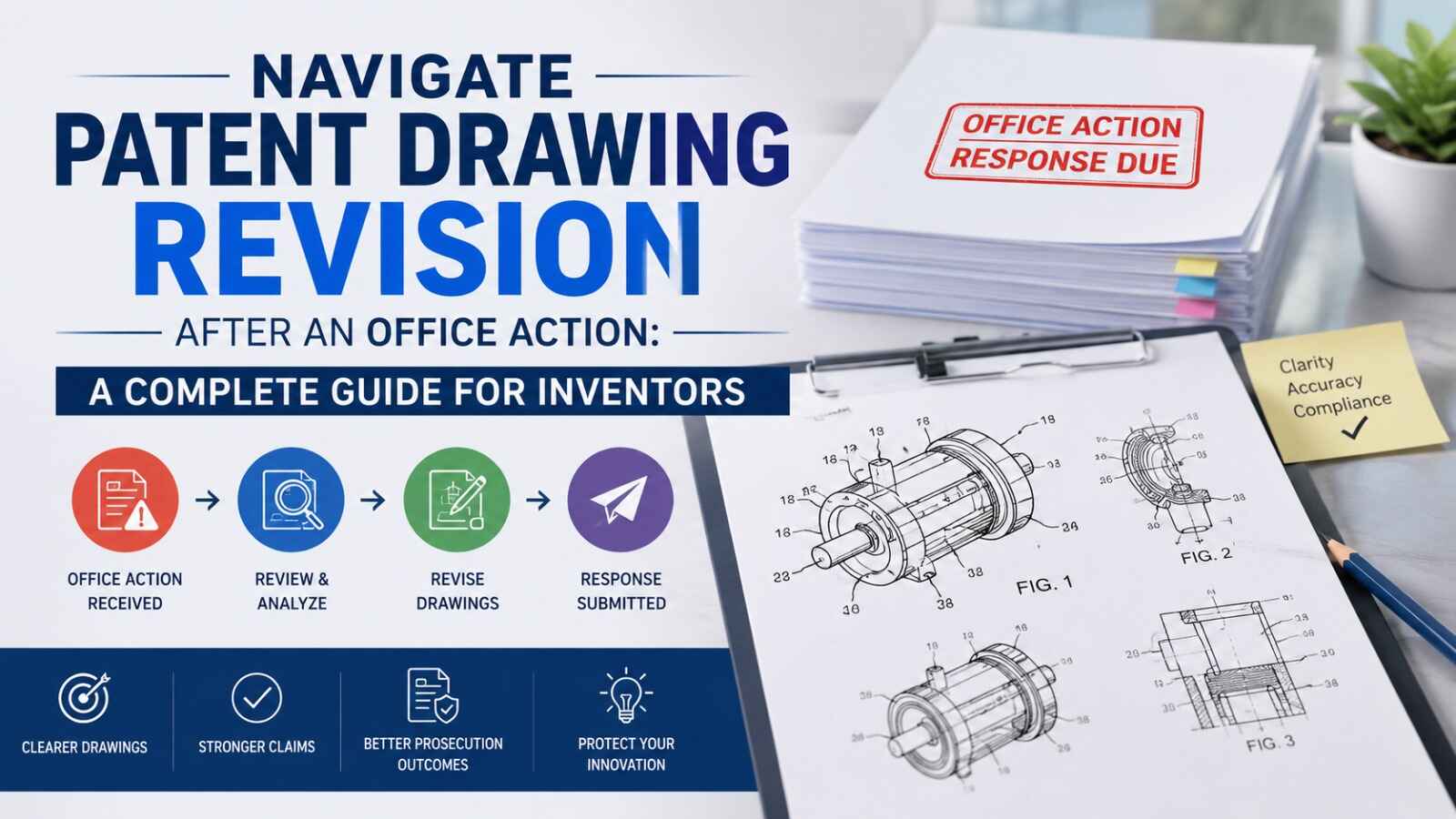
Navigate Patent Drawing Revision After an Office Action
Patent drawing objections can delay your application if not addressed correctly. Learn how to navigate patent drawing revision after an office action by making USPTO-compliant corrections, avoiding common mistakes, and submitting accurate revised drawings that support a faster patent examination process.
More Info: https://ipbrigade.com/navigate-patent-drawing/Navigate Patent Drawing Revision After an Office Action Patent drawing objections can delay your application if not addressed correctly. Learn how to navigate patent drawing revision after an office action by making USPTO-compliant corrections, avoiding common mistakes, and submitting accurate revised drawings that support a faster patent examination process. More Info: https://ipbrigade.com/navigate-patent-drawing/0 Comments ·0 Shares ·97 Views ·0 Reviews -
European Patent Demand in 2026: A New Era of Innovation and Global Protection
The rise in European patent applications in 2026 signals expanding innovation across industries. Organizations are targeting Europe for its strong IP framework and market opportunities. This growing demand underscores the need for accurate filings, high-quality documentation, and strategic IP management to stay competitive and maximize the value of intellectual property assets in the region.
More Info: https://ipbrigade.com/demand-for-european-patents-in-2026/European Patent Demand in 2026: A New Era of Innovation and Global Protection The rise in European patent applications in 2026 signals expanding innovation across industries. Organizations are targeting Europe for its strong IP framework and market opportunities. This growing demand underscores the need for accurate filings, high-quality documentation, and strategic IP management to stay competitive and maximize the value of intellectual property assets in the region. More Info: https://ipbrigade.com/demand-for-european-patents-in-2026/0 Comments ·0 Shares ·132 Views ·0 Reviews -
The True Annual Cost of Legacy IP Management Systems
Many organizations underestimate the yearly cost of legacy IP management systems. Ongoing maintenance, outdated infrastructure, compliance risks, and productivity losses significantly increase expenses. These hidden costs impact overall IP strategy and operational efficiency. Evaluating these factors enables businesses to make informed decisions about upgrading to more agile, cost-effective, and future-ready IP management solutions.
More Info: https://ipbrigade.com/ip-management-system/The True Annual Cost of Legacy IP Management Systems Many organizations underestimate the yearly cost of legacy IP management systems. Ongoing maintenance, outdated infrastructure, compliance risks, and productivity losses significantly increase expenses. These hidden costs impact overall IP strategy and operational efficiency. Evaluating these factors enables businesses to make informed decisions about upgrading to more agile, cost-effective, and future-ready IP management solutions. More Info: https://ipbrigade.com/ip-management-system/0 Comments ·0 Shares ·115 Views ·0 Reviews -
Strategic Patent Landscape Investigations for Smarter Innovation
Patent Landscape Investigations provide a comprehensive overview of existing patents, emerging technologies, and competitive activity within a specific domain. By analyzing filing trends, key players, and innovation gaps, businesses can make informed R&D, investment, and market-entry decisions. Our detailed reports help organizations minimize risks, identify opportunities, and build stronger intellectual property strategies.
More Info: https://ipbrigade.com/patent-landscape-investigation/Strategic Patent Landscape Investigations for Smarter Innovation Patent Landscape Investigations provide a comprehensive overview of existing patents, emerging technologies, and competitive activity within a specific domain. By analyzing filing trends, key players, and innovation gaps, businesses can make informed R&D, investment, and market-entry decisions. Our detailed reports help organizations minimize risks, identify opportunities, and build stronger intellectual property strategies. More Info: https://ipbrigade.com/patent-landscape-investigation/0 Comments ·0 Shares ·157 Views ·0 Reviews -
How Patent Diagrams Impact Your Application Success
Patent Diagrams Impact Your Application by clarifying technical concepts, strengthening claims, and supporting faster examination. Well-prepared drawings reduce misunderstandings, prevent objections, and enhance overall presentation quality. From proper labeling to compliant formatting, strategic diagrams improve examiner interpretation and legal strength. Investing in precise, professional patent illustrations can significantly influence approval timelines and long-term intellectual property protection outcomes.
More Info: https://ipbrigade.com/how-patent-diagrams-impact-your-application/How Patent Diagrams Impact Your Application Success Patent Diagrams Impact Your Application by clarifying technical concepts, strengthening claims, and supporting faster examination. Well-prepared drawings reduce misunderstandings, prevent objections, and enhance overall presentation quality. From proper labeling to compliant formatting, strategic diagrams improve examiner interpretation and legal strength. Investing in precise, professional patent illustrations can significantly influence approval timelines and long-term intellectual property protection outcomes. More Info: https://ipbrigade.com/how-patent-diagrams-impact-your-application/0 Comments ·0 Shares ·152 Views ·0 Reviews -
Competitive Patent Landscape Mapping: Navigating Innovation with Clarity
Competitive Patent Landscape mapping provides a clear view of market trends, key patent holders, and technology gaps. By analyzing the Competitive Patent Landscape, businesses can make informed R&D decisions, reduce risk, and gain a strategic advantage. This insight-driven approach helps innovators stay ahead in fast-moving and highly competitive markets.
More Info: https://ipbrigade.com/competitive-patent-landscape/Competitive Patent Landscape Mapping: Navigating Innovation with Clarity Competitive Patent Landscape mapping provides a clear view of market trends, key patent holders, and technology gaps. By analyzing the Competitive Patent Landscape, businesses can make informed R&D decisions, reduce risk, and gain a strategic advantage. This insight-driven approach helps innovators stay ahead in fast-moving and highly competitive markets. More Info: https://ipbrigade.com/competitive-patent-landscape/0 Comments ·0 Shares ·155 Views ·0 Reviews -
Patent Search vs Google Search: What’s the Difference?
Patent Search and Google Search may seem similar at first glance, but they serve very different purposes when it comes to intellectual property research. While Google Search provides general information from publicly available web sources, it does not offer complete access to patent databases, legal status data, or detailed claim structures. A professional Patent Search, on the other hand, involves examining global patent databases, published applications, prior art references, and non-patent literature using specialized tools and classification systems.
Understanding the difference between Patent Search vs Google Search is critical for inventors, startups, and businesses seeking accurate insights before filing a patent or launching a product. Relying solely on Google can lead to missed prior art, inaccurate conclusions, and costly mistakes. A structured Patent Search ensures deeper analysis, higher accuracy, and informed decision-making, helping innovators protect ideas and reduce legal risks.
More Info: https://ipbrigade.com/patent-search-vs-google-search/Patent Search vs Google Search: What’s the Difference? Patent Search and Google Search may seem similar at first glance, but they serve very different purposes when it comes to intellectual property research. While Google Search provides general information from publicly available web sources, it does not offer complete access to patent databases, legal status data, or detailed claim structures. A professional Patent Search, on the other hand, involves examining global patent databases, published applications, prior art references, and non-patent literature using specialized tools and classification systems. Understanding the difference between Patent Search vs Google Search is critical for inventors, startups, and businesses seeking accurate insights before filing a patent or launching a product. Relying solely on Google can lead to missed prior art, inaccurate conclusions, and costly mistakes. A structured Patent Search ensures deeper analysis, higher accuracy, and informed decision-making, helping innovators protect ideas and reduce legal risks. More Info: https://ipbrigade.com/patent-search-vs-google-search/0 Comments ·0 Shares ·160 Views ·0 Reviews -
Avoid These Common Errors: Top 7 Mistakes Companies Make in FTO Searches
Freedom to Operate (FTO) searches are essential for assessing whether a product or process can be commercialized without infringing third-party patent rights. Despite their importance, many companies approach FTO searches incorrectly, leading to incomplete or misleading results. Common mistakes include conducting FTO searches too late in the product lifecycle, relying solely on keyword-based searches, or assuming that patentability searches provide freedom to operate. Companies may also fail to review patent claims thoroughly, ignore jurisdictional differences in patent protection, or overlook changes in patent legal status. These errors can result in unexpected infringement claims, delayed launches, or costly redesigns. This topic examines the top seven mistakes companies make when performing FTO searches and explains how to avoid them through proper planning, broader search strategies, and expert analysis. By understanding these pitfalls and implementing best practices, businesses can improve risk management, protect innovation investments, and make more confident commercialization decisions.
More Info: https://ipbrigade.com/7-mistakes-in-freedom-to-operate-searches/Avoid These Common Errors: Top 7 Mistakes Companies Make in FTO Searches Freedom to Operate (FTO) searches are essential for assessing whether a product or process can be commercialized without infringing third-party patent rights. Despite their importance, many companies approach FTO searches incorrectly, leading to incomplete or misleading results. Common mistakes include conducting FTO searches too late in the product lifecycle, relying solely on keyword-based searches, or assuming that patentability searches provide freedom to operate. Companies may also fail to review patent claims thoroughly, ignore jurisdictional differences in patent protection, or overlook changes in patent legal status. These errors can result in unexpected infringement claims, delayed launches, or costly redesigns. This topic examines the top seven mistakes companies make when performing FTO searches and explains how to avoid them through proper planning, broader search strategies, and expert analysis. By understanding these pitfalls and implementing best practices, businesses can improve risk management, protect innovation investments, and make more confident commercialization decisions. More Info: https://ipbrigade.com/7-mistakes-in-freedom-to-operate-searches/0 Comments ·0 Shares ·143 Views ·0 Reviews -
Patent Validity Search vs Patentability Search: Key Differences Explained
Understanding the distinction between a Patent Validity Search and a Patentability Search is essential for making informed intellectual property decisions. Although both services involve prior art analysis, they serve very different purposes and are used at different stages of the patent lifecycle. A Patentability Search is typically conducted before filing a patent application to determine whether an invention is novel and non-obvious in view of existing prior art. It helps inventors and companies assess the likelihood of securing patent protection and refine claim strategies. In contrast, a Patent Validity Search is performed after a patent has been granted and focuses on identifying prior art that could invalidate one or more claims of an existing patent. This type of search is commonly used in patent infringement disputes, opposition proceedings, and licensing negotiations. By clearly explaining the objectives, timing, and strategic value of each service, this topic helps businesses, inventors, and legal professionals choose the right search at the right time, reduce legal risks, and strengthen overall patent strategy.
More Info: https://ipbrigade.com/patent-validity-search-vs-patentability-search/Patent Validity Search vs Patentability Search: Key Differences Explained Understanding the distinction between a Patent Validity Search and a Patentability Search is essential for making informed intellectual property decisions. Although both services involve prior art analysis, they serve very different purposes and are used at different stages of the patent lifecycle. A Patentability Search is typically conducted before filing a patent application to determine whether an invention is novel and non-obvious in view of existing prior art. It helps inventors and companies assess the likelihood of securing patent protection and refine claim strategies. In contrast, a Patent Validity Search is performed after a patent has been granted and focuses on identifying prior art that could invalidate one or more claims of an existing patent. This type of search is commonly used in patent infringement disputes, opposition proceedings, and licensing negotiations. By clearly explaining the objectives, timing, and strategic value of each service, this topic helps businesses, inventors, and legal professionals choose the right search at the right time, reduce legal risks, and strengthen overall patent strategy. More Info: https://ipbrigade.com/patent-validity-search-vs-patentability-search/0 Comments ·0 Shares ·150 Views ·0 Reviews








More Stories