Verified Profile!
 Donate
Sponsored
Why Is NPS Important for Improving Customer Journeys Through CRM Integration
Customer journeys define how people perceive your brand. Every touchpoint, from the first click to ongoing support, leaves an impression. This is where understanding why is NPS important becomes crucial. When combined with the power of CRM integration, businesses can create meaningful experiences that drive loyalty and long-term growth.
Understanding Why Is NPS Important
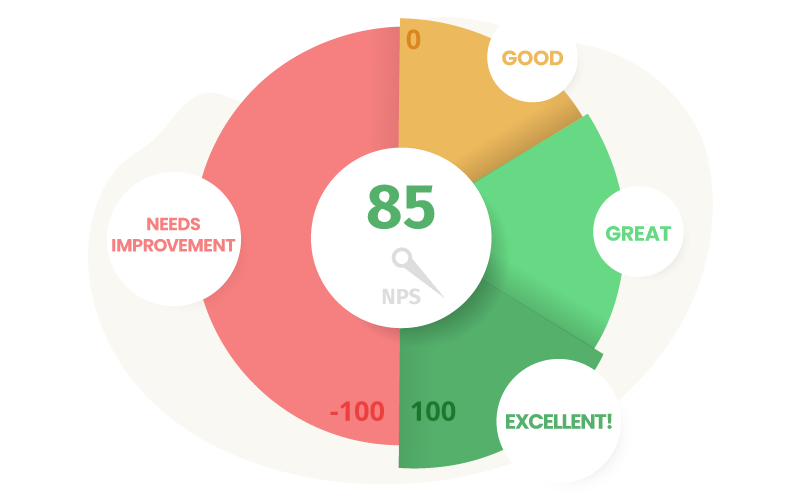
Net Promoter Score (NPS) is more than just a metric. It is a direct reflection of how your customers feel about your business. By asking a simple question — “How likely are you to recommend us to others?” — you get a clear snapshot of customer sentiment.
Here’s why NPS plays a vital role in shaping customer journeys:
-
It identifies promoters who actively support your brand.
-
It highlights detractors who may damage your reputation if ignored.
-
It provides actionable insights to improve customer satisfaction.
When you know why is NPS important, you unlock a way to measure loyalty and predict future business growth.
Connecting NPS with CRM Integration
A CRM system collects customer interactions, history, and preferences in one place. When NPS data is added to CRM, it becomes even more powerful. This is where CRM integration creates a winning combination.
By merging NPS scores with CRM data, businesses can:
-
Track satisfaction trends over time.
-
Personalize customer communication based on sentiment.
-
Improve retention by proactively addressing concerns.
-
Align sales, marketing, and support teams with real-time insights.
How CRM Integration Enhances NPS Insights
Combining NPS and CRM is not just about collecting feedback; it’s about acting on it effectively. Here’s how CRM systems enhance the use of NPS:
1. Centralized Customer Data
When NPS responses are fed into CRM platforms, you get a single source of truth. This ensures every team has access to feedback alongside customer history.
2. Automated Follow-Ups
A customer who leaves a low NPS score can trigger an automatic follow-up through the CRM. Quick responses show customers you care, reducing churn.
3. Segmentation and Personalization
With CRM, promoters, passives, and detractors can be segmented into groups. Tailored communication makes feedback actionable rather than just numbers.
4. Measuring Long-Term Trends
CRM integration allows businesses to compare NPS changes across time. This helps identify whether product updates or service improvements actually resonate with customers.
Benefits of Pairing NPS with CRM
When you combine the two, you’re not just measuring satisfaction but actively shaping customer experiences.
Key benefits include:
-
Stronger loyalty by listening and responding quickly.
-
Better decision-making with data-driven insights.
-
Increased sales opportunities through personalized outreach.
-
A deeper understanding of customer behavior over time.
Why Is NPS Important for Customer Journeys
Customer journeys are no longer linear. They involve multiple touchpoints across digital and offline platforms. Knowing why is NPS important helps businesses refine these journeys.
For example:
-
A high NPS score after onboarding means your process is smooth.
-
A dip in scores after customer support interaction highlights areas for training.
-
Monitoring trends across the journey shows exactly where improvements are needed.
By mapping NPS to each stage, businesses create smoother, customer-first experiences.
Actionable Steps to Improve Journeys with CRM Integration
If you want to combine NPS with CRM in a way that boosts growth, consider these steps:
-
Choose a CRM that supports easy survey integrations.
-
Set up automated workflows that connect NPS responses with customer profiles.
-
Use CRM dashboards to analyze patterns and share insights across teams.
-
Follow up quickly with detractors to prevent churn.
-
Reward promoters by engaging them in referral or loyalty programs.
Building a Customer-Centric Future
Both NPS and CRM are tools, but together they become a strategy for long-term success. Businesses that understand why is NPS important and leverage CRM integration are better equipped to improve journeys, build trust, and create lasting relationships.
Final Thoughts
Improving customer journeys isn’t about guesswork — it’s about listening, analyzing, and responding in real time. By combining NPS with CRM, you turn feedback into meaningful action. If you’re ready to transform the way you understand your customers, explore how SurveyKiwi can help you design smarter surveys, collect valuable insights, and integrate them into your CRM for maximum impact.
Categories
Read More
In recent years, the global food landscape has witnessed a significant shift towards sustainability and health-conscious choices. One of the key players driving this change is the plant-based protein market. As consumer preferences continue to evolve, the demand for plant-based protein sources is experiencing unprecedented growth. This blog post aims to explore the current state of the...

The Adhesive Arachnoiditis Treatment Market sector is undergoing rapid transformation, with significant growth and innovations expected by 2030. In-depth market research offers a thorough analysis of market size, share, and emerging trends, providing essential insights into its expansion potential. The report explores market segmentation and definitions, emphasizing key components and...