Verified Profile!
 Donate
Спонсоры
Supercapacitors Market Growth Strengthened by Automotive Adoption and Advanced Energy Storage Requirements
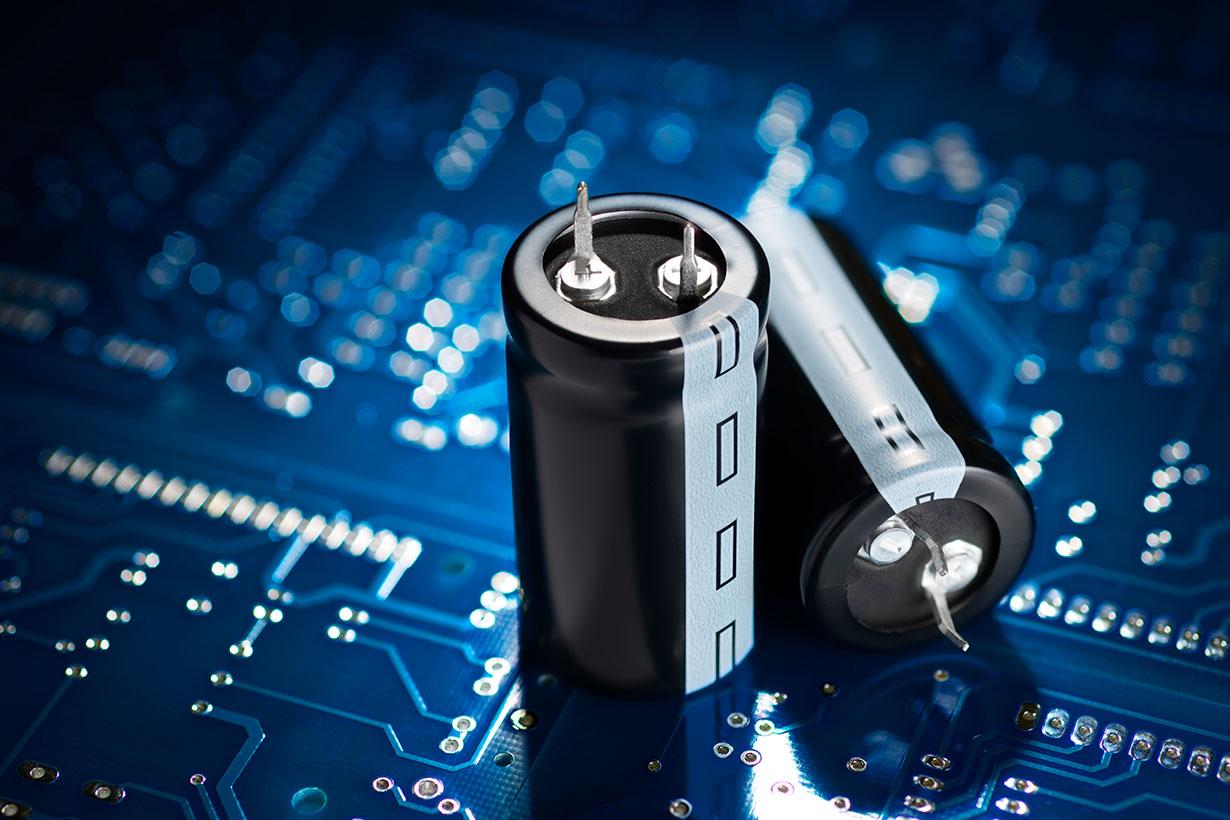
The supercapacitors market has been experiencing notable growth and innovation over the past decade, driven by increasing demand for energy storage solutions that bridge the gap between conventional capacitors and batteries. Supercapacitors, also known as ultracapacitors or electrochemical capacitors, are characterized by their high power density, rapid charge-discharge cycles, and extended operational lifespans. These attributes make them highly desirable in a range of industries including automotive, consumer electronics, energy, aerospace, and industrial machinery.
Growing Demand in Electric Vehicles and Transportation
One of the primary sectors fueling the growth of the supercapacitor market is the electric vehicle (EV) industry. As global efforts to reduce carbon emissions intensify, automakers are turning to hybrid and fully electric vehicles. Supercapacitors are being adopted for functions such as regenerative braking, where they rapidly capture and discharge energy, improving overall vehicle efficiency and battery life. Additionally, they are employed in start-stop systems, power delivery in peak load conditions, and cold start operations.
Public transportation systems, such as electric buses and light rail networks, are also embracing supercapacitor technologies. These systems benefit from the fast-charging and long-cycle characteristics of supercapacitors, which enable efficient and reliable performance, particularly in urban settings with frequent stops.
Consumer Electronics and IoT Applications
In consumer electronics, supercapacitors are finding increased use in devices that require short bursts of high power or backup power during outages. Applications include wearables, handheld devices, smart meters, and uninterruptible power supplies (UPS). As the Internet of Things (IoT) continues to expand, the demand for miniature, reliable energy storage solutions has surged. Supercapacitors’ compact design, combined with their ability to operate across wide temperature ranges, makes them suitable for remote sensors and edge computing devices where maintenance and battery replacement are impractical.
Advancements in Materials and Manufacturing
Technological developments in electrode materials—such as graphene, carbon nanotubes, and metal oxides—are enhancing the energy density and efficiency of supercapacitors. While traditional carbon-based electrodes offer good power capabilities, advanced materials are enabling a transition toward hybrid capacitors that combine the best features of supercapacitors and batteries. These hybrids can offer higher energy densities while retaining fast charge-discharge characteristics.
Manufacturing innovations, such as flexible and printable supercapacitors, are opening new application avenues in wearable technology, medical devices, and smart packaging. Additionally, advancements in nanotechnology are helping to reduce costs and improve the scalability of supercapacitor production.
Renewable Energy Integration
As the world transitions to renewable energy sources like solar and wind, energy storage systems must adapt to fluctuating generation patterns. Supercapacitors are increasingly integrated into renewable energy infrastructures to smooth power output, provide rapid frequency regulation, and support grid stability. Their ability to cycle millions of times without degradation makes them ideal for applications where traditional batteries fall short due to limited cycle life.
In microgrid and off-grid applications, supercapacitors complement batteries by handling quick energy bursts, thus extending battery life and improving system efficiency. These features are particularly important in rural and remote areas, where reliability and maintenance access are critical concerns.
Regional and Competitive Landscape
Geographically, Asia-Pacific dominates the global supercapacitor market, with China, Japan, and South Korea leading in both production and consumption. This dominance is attributed to strong electronics and automotive manufacturing sectors, supportive government policies, and significant R&D investments. North America and Europe are also witnessing growth due to increasing adoption in transportation and energy sectors.
Key players in the supercapacitor industry include Maxwell Technologies (a Tesla subsidiary), CAP-XX, Skeleton Technologies, Panasonic, Murata Manufacturing, and LS Mtron. These companies are focusing on partnerships, acquisitions, and technological innovations to gain a competitive edge.
Market Outlook
According to market research projections, the global supercapacitor market is expected to continue growing at a compound annual growth rate (CAGR) exceeding 20% over the next five years. This growth will be propelled by the rising electrification of vehicles, the expansion of renewable energy infrastructure, and the proliferation of connected devices.
While challenges remain—including cost constraints, lower energy density compared to lithium-ion batteries, and limited consumer awareness—continued innovation and collaboration across industries are expected to overcome these hurdles. With ongoing developments, supercapacitors are poised to play a critical role in the future of sustainable energy and advanced electronics.